
How Does Juicer Works: Unveil the Magic of Fresh Juice
A juicer extracts juice from fruits and vegetables by separating the pulp from the liquid. It uses a spinning blade or auger to achieve this.
Juicers come in various types, including centrifugal, masticating, and triturating. Centrifugal juicers use a fast-spinning blade to shred produce and separate juice. Masticating juicers, or slow juicers, crush and press ingredients to extract juice, preserving more nutrients. Triturating juicers use twin gears to thoroughly crush and grind produce, yielding high-quality juice.
Each type of juicer has its advantages, depending on your needs. Whether you seek quick juice extraction or nutrient retention, there's a juicer for you. Choosing the right one can enhance your health by making it easier to consume fresh, nutrient-rich juices daily.
Introduction To Juicers
Juicers are kitchen appliances that extract juice from fruits and vegetables. They separate the juice from the pulp. This gives you a smooth drink. Juicers can be a great addition to your kitchen.
Types Of Juicers
There are different types of juicers. Each has its own way of working.
- Centrifugal Juicers: These use a fast-spinning blade. The blade cuts the fruits and vegetables. The juice is then separated by a spinning motion.
- Masticating Juicers: These use a slow gear to crush the produce. This process is slower but keeps more nutrients.
- Triturating Juicers: These use twin gears to crush and grind. They are very efficient but also more expensive.
Health Benefits
Juicers can help you stay healthy. Fresh juice has many benefits:
- More Nutrients: Fresh juice is rich in vitamins and minerals.
- Better Digestion: Juice is easier to digest than whole fruits.
- Boosted Energy: Fresh juice can give you a quick energy boost.
| Type of Juicer | Speed | Nutrient Retention | Price |
|---|---|---|---|
| Centrifugal | Fast | Low | Low |
| Masticating | Slow | High | Medium |
| Triturating | Slow | Very High | High |
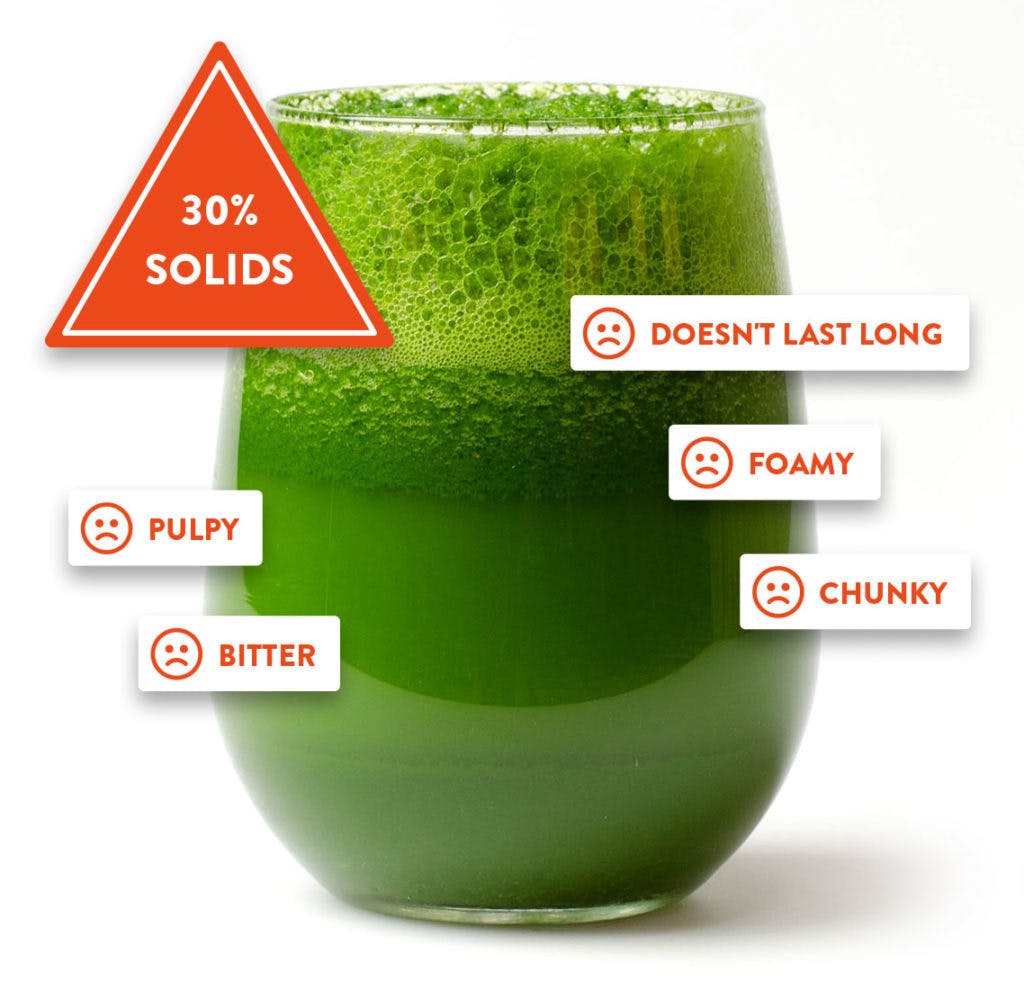
Credit: www.goodnature.com
Basic Components
Understanding the basic components of a juicer helps you use it better. Each part plays a vital role in making your fresh juice. Let's explore these components in detail.
Motor
The motor is the heart of the juicer. It powers the entire machine. The motor's strength determines how fast and efficient the juicer is. A strong motor can juice hard fruits and vegetables easily.
Blades
The blades are essential for cutting and grinding. They break down the fruits and veggies into juice and pulp. Sharp blades ensure a smooth and quick juicing process.
| Type of Blade | Function |
|---|---|
| Flat Blade | Grinds and crushes |
| Serrated Blade | Cuts and slices |
Juice Container
The juice container collects the extracted juice. It is usually placed under the spout. The container size varies based on the juicer model. Make sure the container is properly placed to avoid spills.
- Easy to clean
- Comes in different sizes
- Must be BPA-free for safety
Knowing these components helps you choose the right juicer. It also makes the juicing process smooth and efficient.
How Juicers Extract Juice
Juicers are amazing kitchen tools that help you get fresh juice. They use different methods to separate juice from fruits and vegetables. Understanding how they work can help you choose the right juicer for your needs.
Centrifugal Force
Centrifugal juicers are very common. They use a fast-spinning blade to chop up fruits and vegetables. The spinning action creates centrifugal force. This force pushes the juice through small holes in a mesh filter. The pulp is separated and collected in a different container.
These juicers are quick and easy to use. They are perfect for people in a hurry. They work best with soft and juicy fruits like oranges and apples.
Masticating Action
Masticating juicers work differently. They use a slow, grinding action to crush fruits and vegetables. This method extracts more juice and keeps more nutrients intact. The slow speed helps to minimize heat and oxidation.
Masticating juicers are also called slow juicers. They are great for leafy greens, wheatgrass, and hard vegetables like carrots. These juicers are quieter and often more efficient.
| Type of Juicer | Method | Best For |
|---|---|---|
| Centrifugal Juicer | Fast-spinning blade | Soft fruits, quick use |
| Masticating Juicer | Slow grinding | Leafy greens, hard vegetables |
Preparing Fruits And Vegetables
Before you start juicing, it's essential to prepare your fruits and vegetables. Proper preparation ensures you get the most juice and nutrients. This section will guide you through the steps of washing, cutting, and removing seeds and pits.
Washing And Cutting
Always wash your fruits and vegetables thoroughly. This removes dirt, pesticides, and bacteria. Use cold water and a vegetable brush for hard produce like carrots and apples. For leafy greens, rinse them under running water.
After washing, cut the produce into smaller pieces. This makes it easier for the juicer to process. For example, cut apples into quarters and celery into smaller sticks.
| Fruit/Vegetable | Cutting Instructions |
|---|---|
| Carrots | Peel and cut into smaller sticks |
| Apples | Quarter and remove the core |
| Celery | Cut into smaller sticks |
| Spinach | Rinse and use whole leaves |
Removing Seeds And Pits
Seeds and pits can damage your juicer. Always remove them before juicing. This step is crucial for fruits like peaches, cherries, and apples.
For apples, remove the core and seeds. For stone fruits like peaches and cherries, remove the pits entirely. This ensures a smooth juicing process and protects your equipment.
- Peaches: Cut in half and remove the pit.
- Cherries: Use a cherry pitter or cut and remove the pits.
- Apples: Quarter and remove the core and seeds.
Operating The Juicer
Learning how to operate a juicer is simple. This guide will help you understand the process step by step. Follow these instructions for a smooth juicing experience.
Assembling Parts
First, gather all the parts of your juicer. Ensure you have the base, blade, container, and lid. Each part has a specific place.
- Place the base on a flat surface.
- Attach the blade to the base securely.
- Fix the container onto the blade.
- Cover the container with the lid.
Make sure everything is tightly secured. A loose part can cause problems.
Feeding Ingredients
Prepare your fruits and vegetables. Wash them thoroughly. Cut them into small pieces.
- Turn on the juicer.
- Feed the pieces into the chute one by one.
- Use the pusher to guide them down.
Do not overload the chute. This can jam the machine. Let the juicer extract the juice. Collect the juice in a glass or container.
Repeat the process until you have enough juice. Turn off the juicer when done. Clean all parts immediately. This prevents residue from hardening.
Cleaning And Maintenance
Keeping your juicer clean ensures it works well and lasts longer. It also ensures your juice remains tasty and healthy. Follow these steps to clean and maintain your juicer properly.
Disassembling Parts
First, unplug the juicer from the power source. Carefully take apart all removable parts. Most juicers have a pulp container, juice jug, blade, and strainer. Check your juicer's manual for specific instructions. Place these parts on a clean surface.
Washing And Drying
Rinse each part under warm water to remove large pieces of pulp. Use a soft brush to clean the strainer and blade. Do not use harsh sponges as they may damage the parts. For stubborn stains, soak the parts in warm soapy water for 10 minutes.
After washing, dry each part thoroughly with a clean towel. Make sure no water is left on any parts. This prevents mold and keeps the juicer in good condition. Reassemble the juicer once all parts are dry.
| Part | Cleaning Method |
|---|---|
| Pulp Container | Rinse with warm water, use soft brush |
| Juice Jug | Wash with soapy water, rinse, dry |
| Blade | Soak in soapy water, brush gently |
| Strainer | Use soft brush, rinse thoroughly |
Regular cleaning keeps your juicer working its best. Follow these steps after each use for the best results.
Troubleshooting Common Issues
Juicers are great tools for healthy living, but they can have issues. Knowing how to fix these problems can save you time and money. Here are solutions to common juicer issues:
Motor Overheating
An overheating motor can stop your juicer from working. Here are steps to fix it:
- Turn off the juicer and unplug it.
- Wait for 30 minutes to let the motor cool down.
- Check if ventilation is blocked. Clear any obstructions.
- Ensure you are not overloading the juicer with too much produce.
If the problem continues, consider contacting customer support.
Poor Juice Yield
Poor juice yield means you are not getting enough juice from your produce. Here are some tips:
- Ensure the produce is fresh and not wilted.
- Cut produce into smaller pieces to help the juicer.
- Check the blades and filters for wear. Replace if needed.
- Clean the juicer to remove any blockages or pulp build-up.
Following these steps can improve your juice yield.

Credit: www.huromslowjuicer.co.nz
Tips For Best Results
Using a juicer can be a delightful experience. To get the best results, you need to follow some simple tips. This guide will help you make the most out of your juicing journey.
Choosing Fresh Produce
Always select the freshest fruits and vegetables. Fresh produce has the most nutrients and flavors. Avoid overripe or spoiled items. They can affect the taste and nutritional value of your juice.
- Inspect the produce for any signs of damage.
- Wash all items thoroughly to remove dirt and pesticides.
- Peel and chop larger fruits and vegetables.
Organic produce is often a better choice. It usually has fewer pesticides and chemicals. Your juice will be healthier and taste better.
Combining Flavors
Creating the right flavor combinations can enhance your juice. Some fruits and vegetables pair better than others. Experiment with different mixes to find your favorite.
- Sweet and Sour: Mix apples with lemons or limes.
- Earthy and Sweet: Combine beets with carrots.
- Refreshing: Blend cucumbers with mint and lime.
Remember to balance the flavors. Too much of one ingredient can overpower the others. Use a variety of produce for a well-rounded juice.
With these tips, your juicing experience will be more enjoyable and rewarding. Choose fresh produce and combine flavors wisely for the best results.

Credit: www.huromslowjuicer.co.nz
Frequently Asked Questions
Is A Juicer Better Than A Blender?
A juicer extracts liquid from fruits and vegetables, removing pulp. A blender retains fiber, creating thicker, more filling drinks. Each serves different needs.
What Are The Disadvantages Of Juicers?
Juicers can be expensive and hard to clean. They often remove beneficial fiber from fruits and vegetables. Juicing may lead to high sugar intake. Some models are noisy and bulky.
Is Juicer Good For Your Health?
Yes, using a juicer can be good for your health. Juices provide essential vitamins, minerals, and antioxidants. Fresh juices can boost your immune system and improve digestion. However, rely on whole fruits and vegetables for fiber.
Do I Need To Put Water In A Juicer?
No, you don't need to put water in a juicer. Juicers extract liquid from fruits and vegetables. Adding water can dilute the juice and affect its flavor.
Conclusion
Understanding how a juicer works helps you make healthier choices. It's simple, efficient, and easy to use. By knowing the basics, you can select the best juicer for your needs. Enjoy fresh, nutritious juice every day. Your journey to better health starts with the right juicer.

Viola R. Daigle
I'm Viola R. Daigle, a dedicated Internet Marketer. I work with WarriorPlus as a Vendor and Affiliate, and I’m also an Affiliate on JVZoo and Legendary Marketer. My passion is to provide honest and detailed reviews of Internet Marketing (IM) products and software. I love helping people choose the right tools and strategies to grow their online business with confidence.


