
Are Juicing Diets Good for You: Unveiling the Health Benefits
Juicing diets can offer short-term benefits like increased nutrient intake. Long-term use may lead to nutrient deficiencies and lack of protein.
Juicing diets have gained popularity for their potential health benefits. These diets involve consuming fruits and vegetables in liquid form, which can boost your intake of essential vitamins and minerals. While juicing can help detoxify your body and increase your energy levels, it often lacks necessary proteins and fats.
This imbalance can lead to nutrient deficiencies over time. For a balanced diet, it's crucial to incorporate whole foods alongside juices. Always consult a healthcare professional before starting any restrictive diet. This ensures you maintain a healthy and balanced nutritional intake.
Introduction To Juicing Diets
Juicing diets have gained significant popularity in recent years. Many people turn to juicing for its potential health benefits. This section will provide an introduction to juicing diets.
What Is Juicing?
Juicing is the process of extracting juice from fresh fruits and vegetables. This juice contains most of the vitamins, minerals, and phytonutrients found in the whole fruit or vegetable.
The process typically involves using a juicer machine. There are different types of juicers, including centrifugal and masticating juicers. Each type has its own advantages.
People often use juicing as a way to increase their intake of fresh produce. Some also use it as a method for detoxing or cleansing the body.
Popularity And Trends
Juicing has become a popular trend among health enthusiasts. Social media platforms are filled with colorful images of juices and smoothies. Many celebrities endorse juicing as part of their wellness routines.
The trend has led to the rise of juice bars and cafes. These establishments offer a variety of fresh juice blends. You can find juices tailored to specific health needs, such as immune-boosting or energy-enhancing blends.
A common trend is juice fasting, where individuals consume only juice for a set period. This practice is often promoted for quick weight loss and detoxification.
Despite its popularity, juicing has its critics. Some experts argue that juicing removes essential fiber from fruits and vegetables. Others believe it may lead to imbalanced diets if not done correctly.
| Type of Juicer | Advantages |
|---|---|
| Centrifugal Juicer | Fast and easy to use |
| Masticating Juicer | Preserves more nutrients |
- Vitamins: Juices are rich in vitamins.
- Minerals: Important for overall health.
- Phytonutrients: Help fight diseases.
- Pick fresh fruits and vegetables.
- Wash them thoroughly.
- Use a juicer to extract the juice.
- Enjoy your fresh juice!
Juicing can be a fun and tasty way to consume nutrients. Always consult a healthcare professional before starting any new diet.
:max_bytes(150000):strip_icc()/juice-cleanse-89120-a-8f02da4fce3f463abd578d2b1c8b1165.jpg)
Credit: www.verywellfit.com
Nutritional Benefits
Juicing diets are popular for their many nutritional benefits. They offer a simple way to consume more fruits and vegetables. These diets can help improve your health and well-being.
Vitamins And Minerals
Juicing provides a high amount of vitamins and minerals. You get nutrients like Vitamin C, Vitamin A, and potassium. These nutrients are essential for your body. They help keep your skin healthy. They also boost your immune system.
Here is a simple table showing some common vitamins and minerals in juices:
| Juice | Vitamin C | Vitamin A | Potassium |
|---|---|---|---|
| Orange Juice | 70 mg | 15 mcg | 240 mg |
| Carrot Juice | 9 mg | 1890 mcg | 689 mg |
| Apple Juice | 7 mg | 1 mcg | 214 mg |
Antioxidant Boost
Juicing also offers an antioxidant boost. Antioxidants help protect your body from damage. They fight against free radicals. Free radicals can cause many health issues.
- Blueberries are rich in antioxidants.
- Spinach also has many antioxidants.
- Green tea is another great source.
Adding these to your juice can help you stay healthy. This is one of the biggest benefits of juicing diets. It helps to keep your body strong and healthy.
Weight Loss Potential
Juicing diets are popular for weight loss. They promise quick results. But, do they really work? Let's explore the weight loss potential of juicing diets.
Caloric Intake
One major benefit of juicing diets is low caloric intake. Juice typically contains fewer calories than solid food. This can help you lose weight quickly.
Here is a simple table comparing calories in juice vs solid food:
| Food Item | Calories (per 100g) |
|---|---|
| Apple Juice | 46 |
| Whole Apple | 52 |
| Carrot Juice | 40 |
| Whole Carrot | 41 |
Notice how juice often has fewer calories. This helps control your daily intake.
Metabolism Effects
Juicing diets can affect your metabolism. Drinking juice may speed up your metabolism. This could help burn calories faster. But it can also slow down your metabolism if used long-term.
Here are some pros and cons of juicing diets on metabolism:
- Pros:
- Quick calorie burn
- Easy digestion
- Cons:
- Possible muscle loss
- Slowed metabolism over time
Balance is key to keeping your metabolism healthy. Use juicing diets wisely for the best results.
Digestive Health
Digestive Health is a critical aspect of overall well-being. Juicing diets have become popular, but their impact on the digestive system needs careful consideration. Understanding how juicing affects digestive health can help you make informed choices.
Fiber Content
One of the main concerns with juicing diets is the fiber content. Whole fruits and vegetables are rich in fiber, which is essential for digestive health. Fiber helps to move food through the digestive system and prevents constipation.
When you juice fruits and vegetables, most of the fiber is removed. This can lead to a lack of dietary fiber in your diet. Here is a comparison of fiber content in whole fruits versus juice:
| Whole Fruit | Fiber Content (grams) |
|---|---|
| Apple | 4.4 |
| Orange | 3.1 |
| Carrot | 2.8 |
In contrast, the fiber content in juices made from these fruits is almost negligible. This can affect your digestive health if you rely solely on juices for nutrition.
Gut Flora Impact
Your gut flora, or the community of bacteria in your digestive system, plays a crucial role in digestion. A healthy gut flora helps with nutrient absorption and immune function. The impact of juicing diets on gut flora is significant.
Whole fruits and vegetables provide prebiotics, which are food for the good bacteria in your gut. Juicing removes these prebiotics, potentially affecting the balance of gut bacteria.
Here are some potential impacts of juicing diets on gut flora:
- Reduced prebiotic intake
- Imbalance in gut bacteria
- Possible digestive issues
Maintaining a balanced diet that includes whole fruits and vegetables can help support a healthy digestive system and gut flora.
Detoxification Claims
Many people believe juicing diets help detoxify their bodies. They think these diets remove harmful toxins. But are these claims true? Let's explore the claims about detoxification.
Toxin Removal
Juicing diets claim to remove toxins from the body. But what are these toxins? Toxins are harmful substances. They can come from food, water, and the air we breathe.
Supporters of juicing say fruits and vegetables help cleanse the body. They believe that drinking juice flushes out these toxins. Yet, scientific evidence supporting these claims is limited.
Our bodies have natural ways to remove toxins. The liver, kidneys, and digestive system work together to do this. There is no strong proof that juicing makes this process better.
Liver Function
The liver is a key organ in detoxification. It processes and removes harmful substances. People believe juicing helps the liver work better. But how true is this?
Studies show a balanced diet supports liver health. This includes eating fruits and vegetables. But just drinking juice might not be enough. The liver needs a variety of nutrients to function well.
Whole fruits and vegetables offer fiber. Fiber is important for digestion. Juicing removes fiber, which can be less beneficial for the liver.
For better liver health, eat a balanced diet. Include whole foods, lean proteins, and healthy fats. Juicing alone might not provide all the nutrients you need.
Here is a simple table to compare whole fruits and juicing:
| Nutrient | Whole Fruits | Juicing |
|---|---|---|
| Fiber | High | Low |
| Vitamins | High | High |
| Sugar | Natural | Concentrated |
In summary, while juicing can provide vitamins, it lacks fiber. For better health, include whole fruits and vegetables in your diet.

Credit: www.healthline.com
Energy And Mental Clarity
Many people turn to juicing diets to boost their energy and mental clarity. Fresh juices are packed with nutrients, which can have immediate and long-term benefits. Let's explore how juicing can impact your energy levels and cognitive abilities.
Energy Levels
Juicing can provide a quick energy boost. Fresh fruit and vegetable juices are rich in natural sugars and vitamins. These nutrients are easily absorbed by the body. This can result in a rapid increase in energy. Unlike coffee or energy drinks, juices offer sustained energy without the crash.
Dark leafy greens, like spinach and kale, are excellent for energy. They contain iron, which helps transport oxygen in the blood. This can improve your overall energy levels throughout the day. Citrus fruits like oranges and lemons are also great. They are high in vitamin C, which can reduce fatigue.
| Ingredient | Energy Benefit |
|---|---|
| Spinach | Rich in iron and magnesium |
| Carrots | High in beta-carotene and fiber |
| Oranges | High in vitamin C |
| Beets | Boosts stamina |
Cognitive Benefits
Juicing can also improve mental clarity and focus. Many juices contain antioxidants that protect brain cells. Antioxidants fight free radicals, which can damage cells. This protection helps keep your brain sharp.
Some ingredients are especially good for cognitive health. Blueberries are rich in antioxidants and can enhance memory. Walnuts, though not juiced, can be added as a topping. They are known for improving brain function. Green tea can be mixed with juices for an extra brain boost. It contains caffeine and L-theanine, which can improve focus and attention.
- Blueberries: Enhance memory
- Walnuts: Improve brain function
- Green Tea: Boosts focus and attention
Adding these to your juice routine can help you stay alert and focused. Fresh juices can be a great way to support both your body and mind.
Potential Risks
Juicing diets are trendy, but they come with risks. It's important to know these potential dangers. Let’s explore some key concerns.
Nutrient Deficiency
Juicing often removes fiber from fruits and veggies. Fiber is crucial for digestion. Without it, you may feel hungry quickly. This can lead to overeating.
Also, juicing can miss out on essential nutrients. Whole fruits and vegetables offer a balance of vitamins and minerals. Juices may lack this balance. You might not get enough protein or healthy fats.
| Nutrient | Whole Foods | Juicing |
|---|---|---|
| Fiber | High | Low |
| Protein | Moderate | Low |
| Healthy Fats | Moderate | Low |
Blood Sugar Levels
Juices are often high in natural sugars. This can spike blood sugar levels. A rapid spike can lead to crashes later. This is not good for energy levels.
People with diabetes should be cautious. High blood sugar levels can be dangerous for them. Whole fruits have fiber that helps regulate sugar levels. Juices lack this fiber.
Here are some tips to manage blood sugar:
- Limit fruit juices.
- Include vegetables in your juice.
- Add a protein source to your diet.
Balanced Approach
Juicing diets have become popular for weight loss and detox. But, are they good for you? The answer lies in a balanced approach. This means including both juices and whole foods in your diet.
Incorporating Whole Foods
While juices are nutrient-rich, they lack fiber. Fiber is vital for digestion and keeps you full. Eating whole foods like fruits, vegetables, and grains provides this fiber. It also ensures you get a range of nutrients.
Consider a diet that mixes juices and whole foods. For example:
- Start your day with a green juice.
- Have a whole fruit as a snack.
- Enjoy a salad with lunch.
- Drink a vegetable juice in the afternoon.
- Dine on lean protein and vegetables.
This combination keeps your diet varied and nutritious.
Sustainable Practices
A juicing diet should be sustainable. Consistency is key for long-term health. Short-term juicing may lead to nutrient deficiencies. A balanced diet with whole foods supports overall well-being.
Here are some sustainable practices to follow:
- Plan balanced meals ahead of time.
- Include a variety of foods in your diet.
- Stay hydrated with water and herbal teas.
- Monitor your body's response to the diet.
These practices help maintain a healthy lifestyle.
| Juicing Diet | Balanced Diet |
|---|---|
| Rich in vitamins | Includes fiber and protein |
| Quick detox | Long-term health benefits |
| May cause nutrient gaps | Provides complete nutrition |
Balancing juicing with whole foods ensures you get the best of both worlds.
Expert Opinions
Juicing diets have gained popularity. People wonder if they are good for health. Experts have different views. Let's explore what they say.
Nutritionists' Views
Nutritionists have mixed opinions on juicing diets. Some believe juicing can help with nutrient intake. Juices provide vitamins and minerals from fruits and vegetables.
However, nutritionists also point out some concerns. Juices lack fiber, which is essential for digestion. Whole fruits and vegetables provide this necessary fiber.
Another concern is the sugar content. Juices can be high in natural sugars. This can lead to spikes in blood sugar levels. Nutritionists advise moderation and balance.
Here is a comparison:
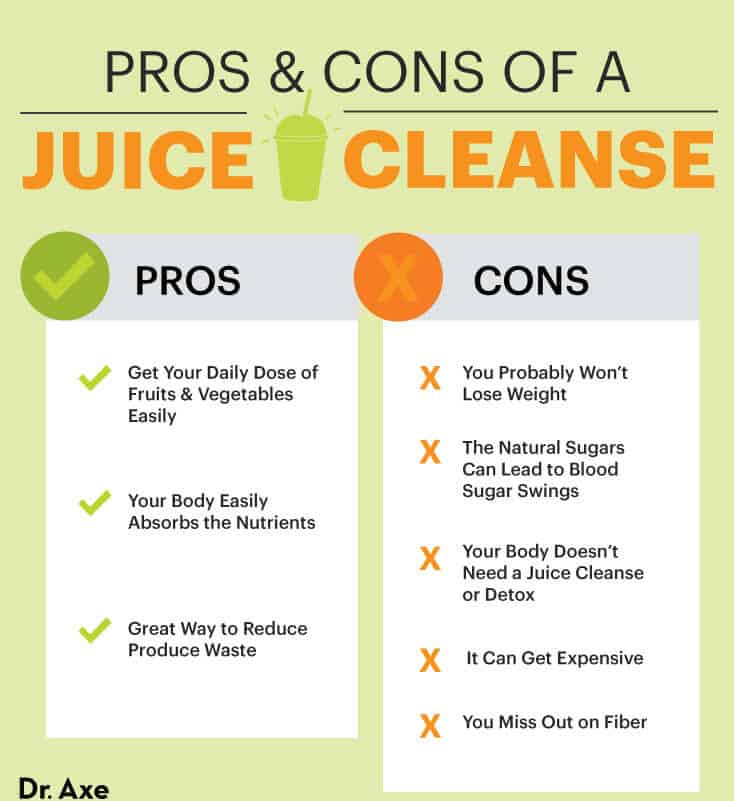
| Pros | Cons |
|---|---|
| High in vitamins and minerals | Lacks fiber |
| Easy to consume | High in natural sugars |
| Can aid in hydration | May lead to blood sugar spikes |
Medical Community
The medical community also has varied opinions. Some doctors see benefits in juicing. It can be a way to increase fruit and vegetable intake.
But many doctors caution against relying solely on juices. A balanced diet is crucial for health. Juicing should not replace whole foods.
Doctors also warn about potential nutrient imbalances. Juicing might miss out on essential nutrients found in whole foods.
Here are some key points:
- Juicing can increase fruit and vegetable intake.
- Whole foods are necessary for a balanced diet.
- Potential nutrient imbalances from exclusive juicing.
In summary, both nutritionists and the medical community see benefits and risks. Balance and moderation are key.
Credit: draxe.com
Frequently Asked Questions
What Is One Downside About Juicing?
One downside of juicing is the loss of fiber. Juicing removes the pulp, which contains essential dietary fiber. This can lead to increased hunger and reduced digestive health.
Is Juicing A Good Way To Lose Weight Fast?
Juicing can aid in weight loss by reducing calorie intake, but it lacks essential nutrients and proteins. For sustainable weight loss, combine juicing with a balanced diet and exercise. Always consult a healthcare professional before starting any diet plan.
What Happens To Your Body When You Start Juicing?
Juicing floods your body with vitamins, minerals, and antioxidants. You may feel more energized and hydrated. Digestion improves, and skin may glow. Detoxification processes might enhance, potentially aiding weight loss.
What Are The Side Effects Of Juicing?
Juicing can cause nutrient imbalances, spikes in blood sugar, and digestive issues. It may also reduce fiber intake.
Conclusion
Juicing diets can offer various health benefits, but they may not suit everyone. It's essential to balance juicing with whole foods. Listen to your body and consult a healthcare professional before starting any diet. Remember, moderation and variety are key to a healthy lifestyle.
Choose wisely for your well-being.

Viola R. Daigle
I'm Viola R. Daigle, a dedicated Internet Marketer. I work with WarriorPlus as a Vendor and Affiliate, and I’m also an Affiliate on JVZoo and Legendary Marketer. My passion is to provide honest and detailed reviews of Internet Marketing (IM) products and software. I love helping people choose the right tools and strategies to grow their online business with confidence.


