
Why is Juicer Better Than Blender: Healthier, Fresher Options
A juicer extracts juice, leaving behind pulp, resulting in a smoother drink. A blender processes whole fruits and vegetables, retaining fiber.
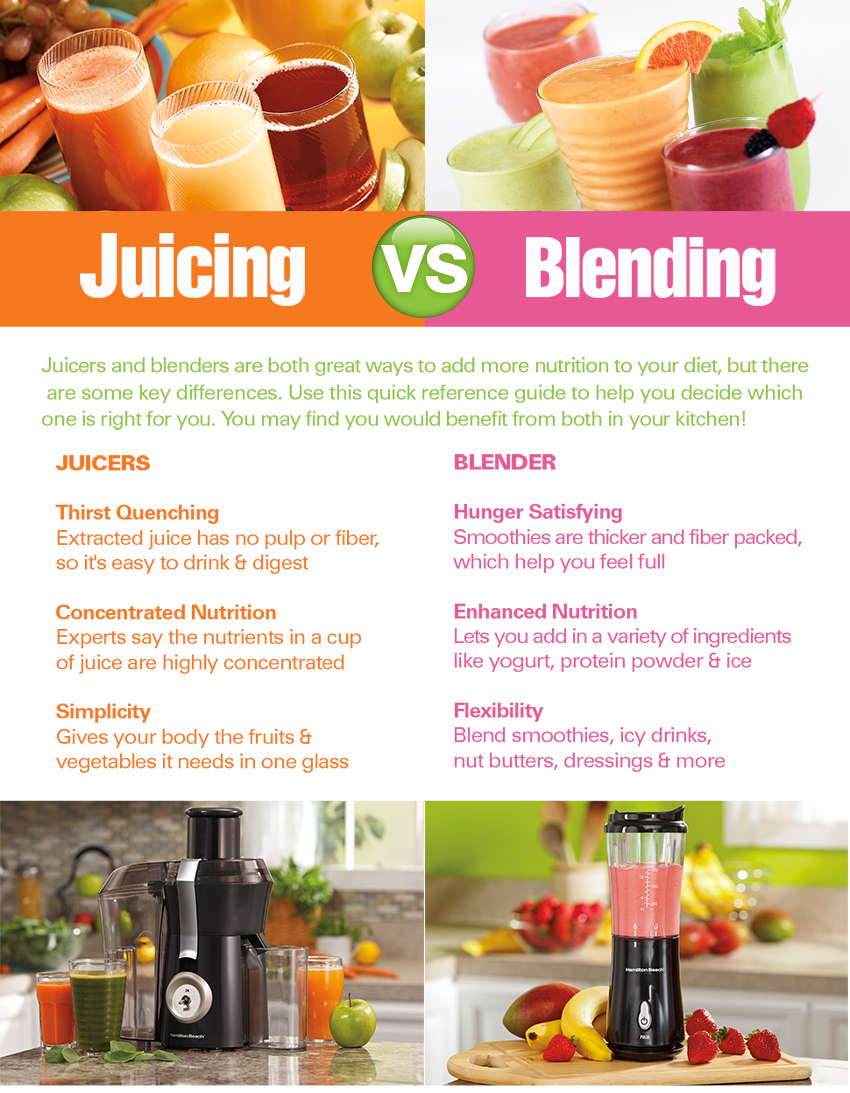
Juicers and blenders serve different purposes. Juicers extract liquid, creating a nutrient-rich, pulp-free drink. This can be beneficial for those seeking a quick nutrient boost without the fiber. Blenders, on the other hand, mix whole fruits and vegetables, preserving fiber and providing a thicker, more filling beverage.
Both have their advantages, but the choice depends on individual health goals and preferences. Juicers are ideal for those wanting to increase their intake of vitamins and minerals quickly. Blenders are better for those who prefer a more substantial, fiber-rich drink. Understanding these differences helps make an informed decision.
Nutrient Retention
When choosing between a juicer and a blender, nutrient retention is vital. Juicers often preserve more nutrients compared to blenders. This makes juicers a better choice for health-conscious individuals.
Preservation Of Vitamins
Juicers excel in preserving vitamins like vitamin C and vitamin A. This is because juicers extract the juice and leave behind the pulp. The process results in a more concentrated nutrient profile.
Blenders, on the other hand, blend everything together. This includes the fiber, which can dilute the vitamin content. Juicers ensure you get the most vitamins in your drink.
Minimizing Oxidation
Oxidation reduces the nutrient quality of fruits and vegetables. Juicers minimize oxidation by reducing air contact during the juicing process. This helps in retaining the natural enzymes and antioxidants.
Blenders introduce more air into the mixture, which speeds up oxidation. This can degrade the nutritional value of your smoothie. Juicers keep your juice fresher for a longer time.
| Aspect | Juicer | Blender |
|---|---|---|
| Nutrient Retention | High | Moderate |
| Vitamin Preservation | High | Moderate |
| Oxidation | Low | High |
- Juicers keep more vitamins intact.
- Blenders mix everything, including fiber.
- Juicers reduce air contact, minimizing oxidation.
Digestive Benefits
Juicers and blenders both have their uses in a healthy diet. But juicers offer special benefits for digestion. Drinking juice can help your body digest nutrients more easily.
Easier Absorption
Juicers remove the fiber from fruits and vegetables. This makes it easier for your body to absorb nutrients. Juices are rich in vitamins, minerals, and antioxidants. Without fiber, your stomach and intestines don't work as hard. This means you can get a quick boost of energy.
Blenders keep the fiber in your drink. While fiber is healthy, it slows down digestion. Juices give your body a break from breaking down fiber. This can be helpful if you have a sensitive stomach or digestive issues.
Gentler On Stomach
Juices are gentler on the stomach than blended drinks. Fiber can sometimes cause bloating or gas. Juices are easier on your digestive system. People with stomach problems often find juices more comfortable to drink.
Juices can also help with hydration. Staying hydrated is important for digestion. Juices provide water along with nutrients, helping your body function better.
In summary, juicers offer unique digestive benefits. They make nutrient absorption easier and are gentler on the stomach.
Juicer Vs Blender Efficiency
People often wonder whether a juicer or a blender is more efficient. Each kitchen appliance has its strengths. Let's dive into the efficiency of juicers and blenders.
Juice Yield
A juicer extracts juice from fruits and vegetables. This process leaves behind dry pulp. The result is a higher juice yield compared to a blender. Blenders mix all ingredients together. This includes the pulp, which results in a thicker drink. Therefore, juicers are more efficient in producing clear, pulp-free juice.
Time And Effort
Using a juicer often takes less time and effort than a blender. Juicers are designed to separate juice and pulp quickly. This makes them more efficient for daily use. Blenders require more time to blend ingredients smoothly. Additionally, you may need to strain the mixture to remove pulp. This adds extra steps and time.
| Feature | Juicer | Blender |
|---|---|---|
| Juice Yield | High | Low |
| Time and Effort | Less | More |
- Juicer: Best for clear juice with no pulp.
- Blender: Best for smoothies and thicker drinks.
- Choose a juicer for higher juice yield.
- Choose a blender for thicker, more fiber-rich drinks.

Credit: m.youtube.com
Freshness Factor
The Freshness Factor is essential when comparing juicers and blenders. Freshness directly affects the nutritional value and taste of your drink. Juicers excel in preserving the freshness of fruits and vegetables.
Immediate Consumption
Juicers extract juice that is ready for immediate consumption. This helps you get the freshest nutrients. Fresh juice retains most vitamins and minerals. Drinking it right away ensures you get the maximum health benefits.
Blenders, on the other hand, mix all parts of the fruit or vegetable. This includes the pulp and fiber. While this is good, it means the drink may not taste as fresh. Blended drinks often need refrigeration. This can reduce the freshness and nutrient value.
Short Shelf Life
Fresh juice has a short shelf life. This is because it lacks preservatives. It is best to drink it within minutes of juicing. Fresh juice can last up to 24 hours in the fridge. But, it will start losing nutrients and freshness.
Blended drinks have a longer shelf life. They can last up to 48 hours in the fridge. The fiber in blended drinks acts as a natural preservative. But, the taste and nutritional value still degrade over time.
| Aspect | Juicer | Blender |
|---|---|---|
| Immediate Consumption | Yes | No |
| Short Shelf Life | Up to 24 hours | Up to 48 hours |
| Preserves Nutrients | High | Medium |
Caloric Differences
Understanding the caloric differences between juicers and blenders can guide healthier choices. Juicing often leads to lower calorie intake and less sugar content. This can help with weight management and overall health.
Lower Calorie Intake
Juicing typically results in a drink with fewer calories. This is because juicers extract the liquid from fruits and vegetables. They leave behind the fiber and pulp. This process reduces the total calorie content.
Blending keeps all parts of the fruits and vegetables. This includes the fiber, which can add more calories to your drink. A lower calorie intake is beneficial for those watching their weight. It helps maintain a calorie deficit.
Less Sugar Content
Juicing can also reduce the sugar content of your drink. The extraction process removes some of the natural sugars found in the pulp. This means your juice may have less sugar compared to a smoothie made in a blender.
Blended drinks often contain whole fruits. This can lead to higher sugar content. For people managing their sugar intake, juicing can be a better option. It offers a way to enjoy fruits without excessive sugar.
| Aspect | Juicer | Blender |
|---|---|---|
| Calorie Intake | Lower | Higher |
| Sugar Content | Less | More |
Choosing between a juicer and a blender depends on your health goals. For lower calories and less sugar, a juicer is often the better choice.
Texture And Consistency
Choosing between a juicer and a blender can be confusing. Understanding texture and consistency helps decide. Let's explore how they differ in this aspect.
Smooth Juice
A juicer extracts liquid from fruits and vegetables. This process leaves behind pulp and fiber. The result is a smooth, pure juice.
Juice from a juicer is easy to drink. It has no chunks or fibers. This smooth texture is ideal for kids and adults alike.
Pulp And Fiber
A blender retains all parts of the fruits and vegetables. This includes pulp and fiber. Blended drinks are thicker and have a different texture.
Blended drinks often feel heavy and dense. Some people enjoy this, while others prefer smoother options. Juicers offer a lighter, more refreshing drink.
The table below highlights the key differences:
| Feature | Juicer | Blender |
|---|---|---|
| Texture | Smooth | Thick |
| Consistency | Pure Liquid | Chunky |
| Pulp and Fiber | Removed | Retained |
Both juicers and blenders have their advantages. Consider texture and consistency when choosing. A juicer offers a smooth, pulp-free experience. A blender provides a thicker, fiber-rich drink.
Variety Of Ingredients
One of the key reasons a juicer is better than a blender is its ability to handle a variety of ingredients. Juicers can extract nutrients from a broader range of fruits and vegetables, providing more versatile and nutrient-rich beverages.
Leafy Greens
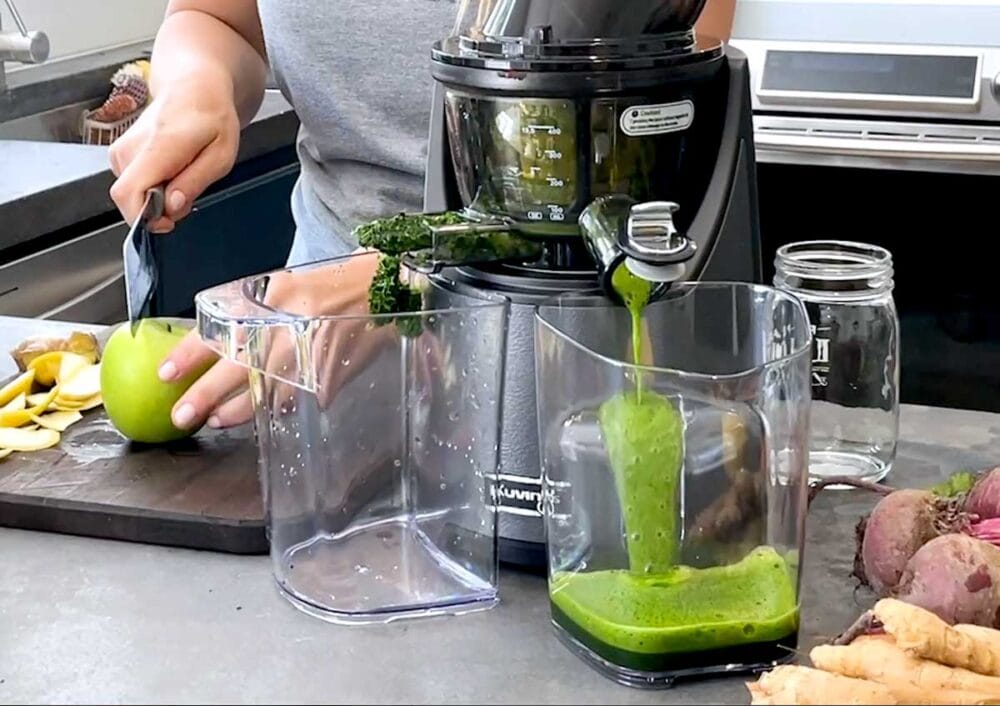
Juicers excel at processing leafy greens like spinach, kale, and Swiss chard. These greens are packed with vitamins and minerals. A juicer can extract the maximum amount of nutrients from these delicate leaves.
Blenders, on the other hand, often struggle with leafy greens. They can leave behind fibrous chunks, making the drink less smooth. Juicers ensure a silky, nutrient-dense juice without the unwanted texture.
Root Vegetables
Root vegetables such as carrots, beets, and ginger are another area where juicers shine. These vegetables are dense and fibrous. A powerful juicer can break them down efficiently, extracting all the essential nutrients.
Blenders might not achieve the same level of nutrient extraction. They can leave behind pulp, reducing the quality of your drink. Juicers ensure you get a smooth, nutrient-packed juice every time.
Here's a quick comparison:
| Ingredient | Juicer | Blender |
|---|---|---|
| Leafy Greens | Silky, nutrient-dense juice | Fibrous chunks |
| Root Vegetables | Maximum nutrient extraction | Less efficient |
Juicers are designed to handle a wide range of ingredients. They provide a smoother, more nutritious drink. This versatility makes them a better choice for health-conscious individuals.
Credit: simplegreensmoothies.com
Environmental Impact
Choosing between a juicer and a blender impacts the environment. A juicer can be more eco-friendly. It helps reduce waste and offers compostable pulp. Let’s dive into the details.
Waste Reduction
Juicers produce less waste compared to blenders. Blenders mix everything, including seeds and peels. This can lead to more food waste. Juicers extract juice and leave behind dry pulp.
With juicers, you use fewer fruits and vegetables. This means less food waste. Blenders often require more produce to get the same amount of juice.
Here’s a quick comparison:
| Juicer | Blender |
|---|---|
| Uses fewer fruits | Uses more fruits |
| Produces dry pulp | Mixes everything |
| Less food waste | More food waste |
Compostable Pulp
The pulp from a juicer is dry and easy to compost. Composting helps reduce landfill waste. It also enriches the soil with nutrients.
Here are some benefits of compostable pulp:
- Enriches the soil
- Reduces landfill waste
- Supports plant growth
Blender waste is often wet and harder to compost. Juicer pulp is ideal for gardens and plants.
Using a juicer helps the environment. It reduces waste and provides compostable pulp.
Credit: hamiltonbeach.ca
Frequently Asked Questions
Is It Better To Use A Juicer Or Blender?
Using a juicer extracts liquid and removes fiber, ideal for smooth juices. A blender retains fiber, making thicker smoothies. Choose based on your dietary preference.
Is Juicing Fruit Better Than Blending?
Juicing removes fiber but provides concentrated nutrients. Blending retains fiber, aiding digestion and satiety. Both have unique benefits. Choose based on your dietary needs.
What Are The Disadvantages Of Juicers?
Juicers can be expensive and time-consuming to clean. They often remove fiber, leading to less nutritious juice. Some models are noisy and bulky, requiring significant counter space. They also produce waste from pulp, which can be less environmentally friendly.
Do You Really Need A Juicer?
You need a juicer if you want fresh, homemade juice regularly. It offers convenience and better control over ingredients.
Conclusion
Choosing a juicer over a blender offers numerous health benefits. Juicers extract more nutrients and vitamins from fruits and vegetables. They also produce smoother, pulp-free juice, making it easier to consume. Opt for a juicer to enhance your diet and enjoy a refreshing, nutritious beverage every day.

Viola R. Daigle
I'm Viola R. Daigle, a dedicated Internet Marketer. I work with WarriorPlus as a Vendor and Affiliate, and I’m also an Affiliate on JVZoo and Legendary Marketer. My passion is to provide honest and detailed reviews of Internet Marketing (IM) products and software. I love helping people choose the right tools and strategies to grow their online business with confidence.


