
Can a Juicer Be Used As a Blender: Expert Insights
A juicer cannot be used as a blender. Juicers extract juice, while blenders mix whole ingredients.
Juicers and blenders serve different purposes in the kitchen. Juicers separate juice from fruits and vegetables, leaving behind pulp. This process results in smooth, nutrient-rich juice. Blenders, on the other hand, mix whole ingredients to create smoothies, soups, and sauces.
They retain fiber and produce thicker, more textured results. Choosing between a juicer and a blender depends on your dietary needs and preferences. For juice lovers, a juicer is essential. For those who prefer blended drinks and meals, a blender is the better choice. Understanding the distinct functions of these appliances helps you make the right decision for your kitchen.
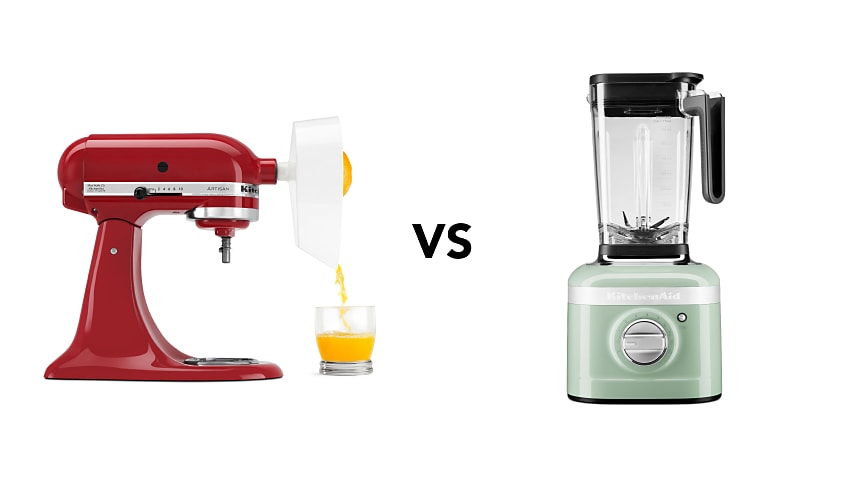
Credit: www.kitchenaid.com
Juicer Vs Blender
Understanding the difference between a juicer and a blender is essential. Both appliances serve unique purposes in the kitchen. Knowing their functions can help you make better choices for your dietary needs.
Key Differences
Juicers extract the liquid from fruits and vegetables. They separate the pulp and fiber, leaving only the juice. Blenders, on the other hand, blend all parts of the ingredients. This includes fiber and pulp, creating a thicker texture.
| Feature | Juicer | Blender |
|---|---|---|
| Function | Extracts juice | Blends whole ingredients |
| Texture | Smooth, pulp-free juice | Thick, with fiber |
| Nutrient Retention | Fewer fibers | Retains all fibers |
| Speed | Slower process | Faster process |
Common Uses
Juicers are perfect for making fresh, smooth juices. They work well with fruits like oranges, apples, and carrots. Use them to create nutrient-rich drinks without the pulp.
Blenders excel at making smoothies, soups, and sauces. They can handle a wide variety of ingredients. You can blend fruits, vegetables, nuts, and ice for a nutritious smoothie.
Here are some common uses for each appliance:
- Juicer:
- Fresh fruit juices
- Vegetable juices
- Wheatgrass juice
- Blender:
- Smoothies
- Protein shakes
- Soups
- Sauces
How Juicers Work
Understanding how juicers work is key to knowing if they can replace blenders. Juicers and blenders serve different purposes in the kitchen. To see if a juicer can be used as a blender, you need to understand their mechanics.
Types Of Juicers
There are several types of juicers available. Each type has unique features and functions. Here's a quick look:
- Centrifugal Juicers: These are the most common. They use a fast-spinning blade.
- Masticating Juicers: Also called slow juicers. They crush fruits and vegetables.
- Triturating Juicers: These have twin gears. They are the most efficient.
- Citrus Juicers: Specifically for citrus fruits. They squeeze juice from fruits like oranges and lemons.
Juicing Process
The juicing process is different from blending. Juicers extract liquid from fruits and vegetables. This process separates the juice from the pulp. Here's a step-by-step:
- Insert the fruit or vegetable into the juicer.
- The machine grinds or crushes the produce.
- Juice is extracted and collected in a container.
- Pulp is separated and discarded or used for other purposes.
This separation is the main difference between juicing and blending. Juicing gives you liquid without fiber. Blending keeps all parts of the fruit or vegetable.
Knowing these details helps you decide if a juicer can work as a blender. While they have some similarities, their functions are distinct. Understanding these differences is crucial for making the right choice for your needs.
How Blenders Work
Blenders are versatile kitchen appliances. They can mix, chop, and puree food. Understanding how they work helps you use them better.
Types Of Blenders
There are several types of blenders. Each type has its own use and features. Here are the main types:
- Countertop Blenders: These are the most common. They are powerful and can handle large quantities.
- Immersion Blenders: These are handheld. They are great for blending soups directly in the pot.
- Personal Blenders: These are small and portable. They are perfect for single servings and smoothies.
Blending Process
The blending process involves several steps. First, you add your ingredients. Next, you select the speed and blend. The blades inside rotate quickly. This action chops and mixes the ingredients. Here's a step-by-step breakdown:
- Add ingredients to the jar.
- Secure the lid tightly.
- Select your desired speed setting.
- Press the start button.
- Blend until you achieve the desired consistency.
Blenders work quickly and efficiently. This makes them a favorite in many kitchens. They can handle a variety of tasks, making meal prep easier.
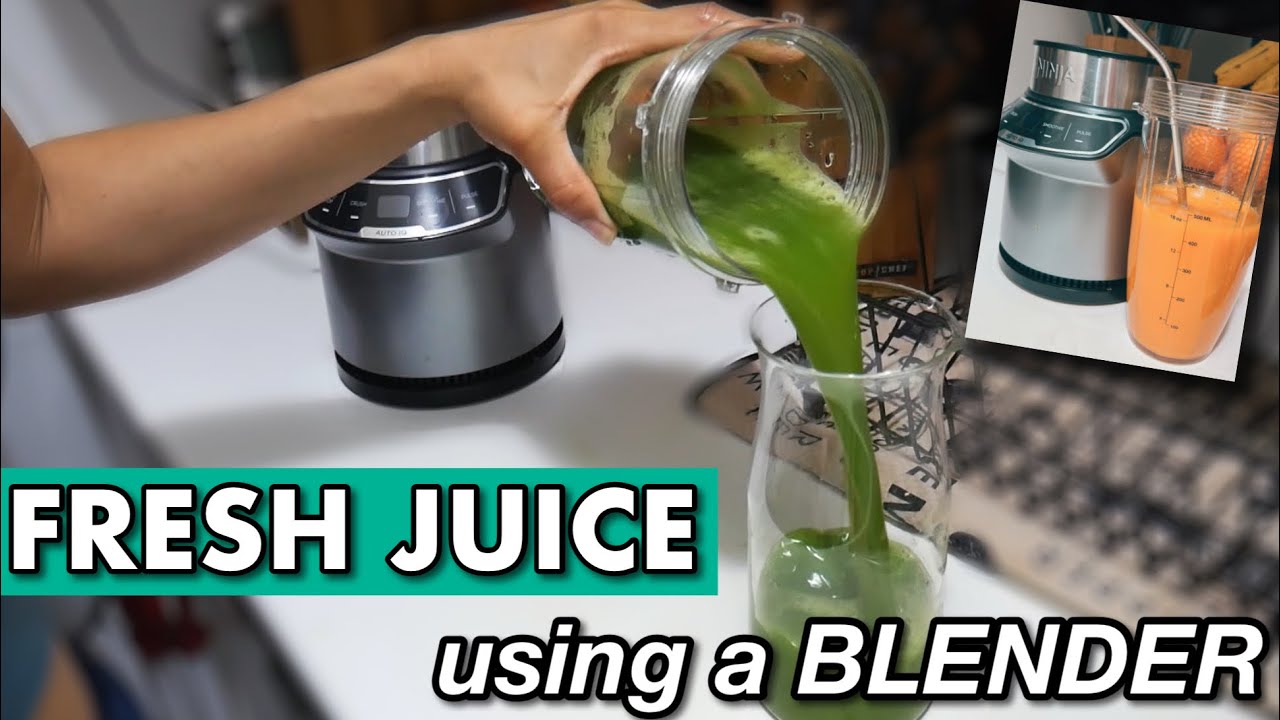
Credit: m.youtube.com
Functional Overlaps
Many people wonder if a juicer can be used as a blender. While both appliances process fruits and vegetables, they do so in different ways. Understanding their functional overlaps can help you decide which one suits your needs.
Similarities
Both juicers and blenders are kitchen appliances that help you consume fruits and vegetables.
- Nutrient Extraction: Both extract nutrients from fresh produce.
- Liquid Output: Both produce liquid forms of fruits and vegetables.
- Ease of Use: Both are user-friendly with simple controls.
Unique Features
Although they share similarities, juicers and blenders have unique features that set them apart.
| Feature | Juicer | Blender |
|---|---|---|
| Pulp Separation | Separates pulp from juice | Blends pulp into the liquid |
| Consistency | Produces clear juice | Produces thick smoothies |
| Blade Design | Blades for extracting juice | Blades for blending ingredients |
In summary, both appliances serve different purposes. Understanding their unique features and similarities can help you make an informed decision.
Expert Opinions
Understanding the difference between a juicer and a blender is crucial. Experts have weighed in on this topic. Their insights can help you make an informed choice. Let's explore what they have to say.
Nutritionists
Nutritionists emphasize the importance of whole foods. They believe blenders preserve more nutrients. Blenders keep the fiber content intact. Fiber aids in digestion and satiety. Juicers, on the other hand, extract juice but leave the pulp behind.
According to nutritionists, blenders are better for smoothies. Juicers are suitable for pure juice. They recommend using blenders for a balanced diet.
| Appliance | Preserves Fiber | Best For |
|---|---|---|
| Blender | Yes | Smoothies |
| Juicer | No | Juices |
Culinary Experts
Culinary experts focus on texture and consistency. They explain that blenders create a thicker mixture. This is ideal for soups and sauces. Blenders can also handle a variety of ingredients. Juicers, meanwhile, are designed for extracting liquid.
Experts suggest using a juicer for fresh juice. For multi-purpose kitchen tasks, a blender is more versatile. Blenders can crush ice, making them perfect for frozen drinks.
- Blenders create thicker mixtures
- Blenders are versatile
- Juicers are best for liquid extraction
In summary, both appliances have unique benefits. Choose based on your specific needs.
Pros And Cons
Choosing between a juicer and a blender can be tricky. Both have unique benefits and drawbacks. Here's a detailed look at the pros and cons of each.
Using A Juicer
Juicers are great for extracting juice from fruits and veggies. They provide nutrient-rich drinks.
- Pros:
- Extracts pure juice, leaving behind pulp.
- Juice is easy to digest and absorb.
- Great for making fresh, healthy drinks.
- Cons:
- Removes fiber, which is important for digestion.
- Can be expensive to buy and maintain.
- Cleaning can be time-consuming and tricky.
Using A Blender
Blenders mix all ingredients into a thick, smooth blend. They keep all parts of the food.
- Pros:
- Retains fiber, which aids digestion.
- Can blend a wide variety of ingredients.
- Usually easier to clean than juicers.
- Cons:
- Blended drinks can be thicker and harder to drink.
- May not extract as many nutrients as a juicer.
- Can be noisy and bulky.
Adaptation Techniques
Adaptation Techniques allow you to use a juicer as a blender and vice versa. Understanding these techniques helps you maximize the use of your kitchen appliances. Both juicers and blenders serve unique purposes but can often be adapted for different tasks.
Juicing With A Blender
Blenders can help in making juice. Though not specifically designed for it, they can still do the job.
- Peel and chop your fruits and vegetables.
- Add water to aid blending.
- Blend until smooth.
- Strain the mixture using a fine mesh strainer or cheesecloth.
Using a blender for juicing requires extra steps but is effective. The straining process is crucial to separate the juice from the pulp. This method works well with soft fruits and vegetables.
Blending With A Juicer
Juicers can blend certain ingredients if used correctly. This method is less common but still useful.
- Prepare your ingredients by peeling and chopping them.
- Feed the ingredients into the juicer.
- Collect the juice and pulp separately.
- Combine the juice and pulp back together.
Juicers excel at extracting liquids but struggle with creating smooth blends. Combining the juice and pulp can mimic a blended texture. This method works better with less fibrous ingredients.
Best Practices
Using a juicer as a blender can be a creative solution. Following best practices ensures you get the best results. Here, we will discuss maintenance tips and provide some recipe ideas.
Maintenance Tips
Proper maintenance keeps your juicer running smoothly and extends its life. Follow these tips:
- Clean immediately: Wash parts right after use to avoid residue buildup.
- Use warm water: Warm water helps in dissolving sticky residues.
- Use a brush: Use a small brush to clean tiny parts.
- Inspect regularly: Check for wear and tear and replace if needed.
Recipe Ideas
Here are some fun and easy recipes you can try with a juicer:
| Recipe | Ingredients | Instructions |
|---|---|---|
| Fruit Smoothie | 1 banana, 1 apple, 1 cup strawberries | Blend all ingredients until smooth. |
| Green Juice | 1 cucumber, 2 cups spinach, 1 lemon | Juice all ingredients and enjoy fresh. |
| Carrot Soup | 4 carrots, 1 onion, 2 cups broth | Juice carrots, cook with onion and broth. |
These recipes show you can use a juicer creatively. Be sure to follow the maintenance tips for the best results!
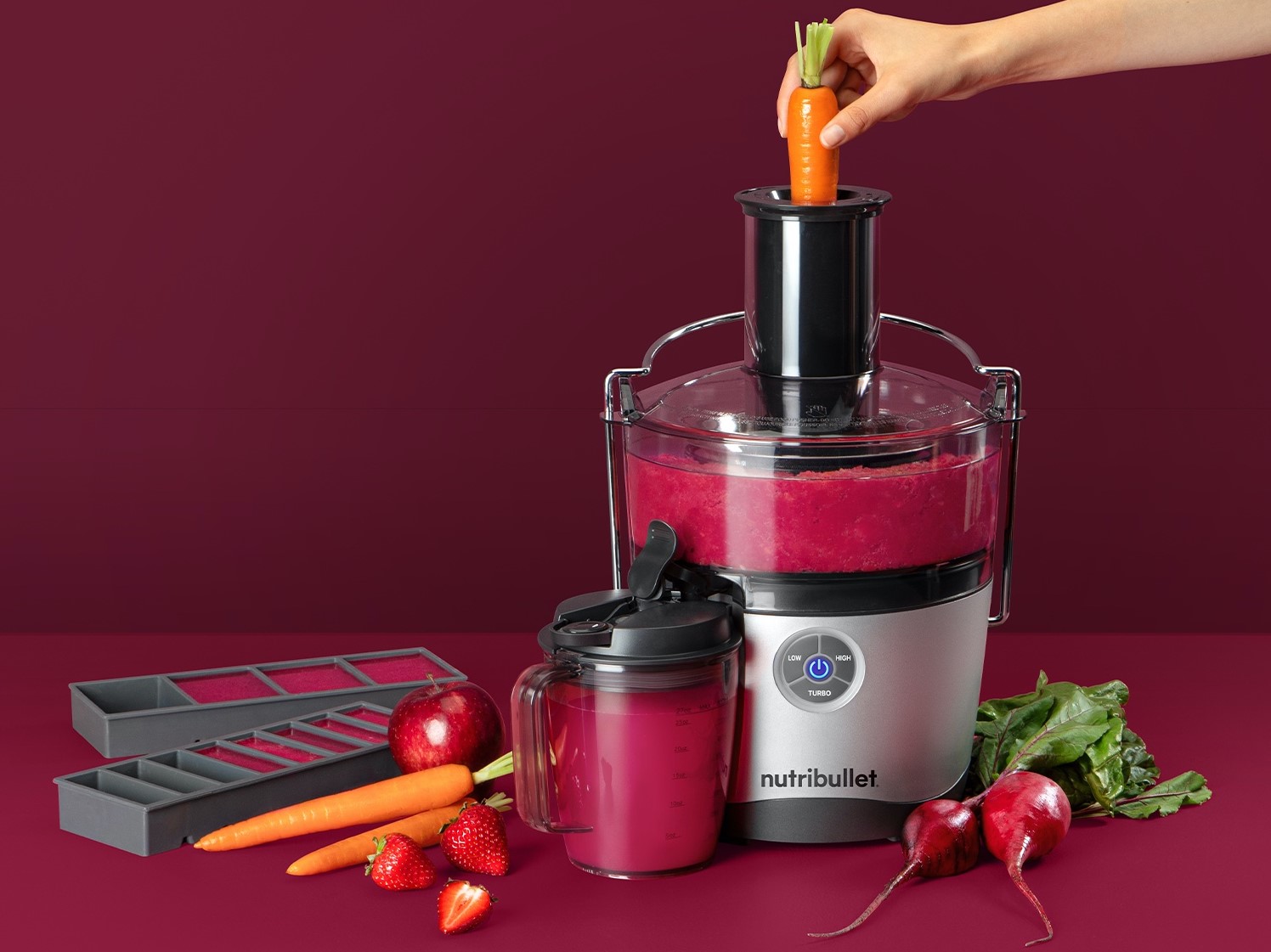
Credit: www.homesandgardens.com
Frequently Asked Questions
Can A Juicer Be A Blender?
No, a juicer and a blender serve different functions. Juicers extract juice, while blenders mix whole ingredients.
Can I Use My Juicer To Make A Smoothie?
No, a juicer cannot make a smoothie. Juicers extract juice, while blenders create smoothies by blending whole ingredients.
Is It Better To Blend Or Use A Juicer?
Blending retains more fiber, making smoothies more filling and nutritious. Juicing extracts liquid, offering concentrated nutrients without fiber. Choose based on your dietary needs.
What Are The Advantages Of A Juicer Over A Blender?
Juicers extract pure juice, leaving pulp behind, which provides a smoother texture. They retain more vitamins and minerals. Juicers are ideal for nutrient-dense drinks. Blenders mix all ingredients, including fiber, resulting in thicker smoothies. Juicers are better for those seeking clear, nutrient-rich beverages.
Conclusion
Using a juicer as a blender isn't ideal. Each appliance serves different purposes. Juicers extract juice, while blenders mix whole ingredients. For the best results, use each tool for its intended function. This will ensure you enjoy the full benefits of your fruits and vegetables.
Choose wisely to enhance your kitchen experience.

Viola R. Daigle
I'm Viola R. Daigle, a dedicated Internet Marketer. I work with WarriorPlus as a Vendor and Affiliate, and I’m also an Affiliate on JVZoo and Legendary Marketer. My passion is to provide honest and detailed reviews of Internet Marketing (IM) products and software. I love helping people choose the right tools and strategies to grow their online business with confidence.


