
How Much Juicing Should I Drink a Day: Ultimate Health Guide
Most people should drink one to two servings of juice per day. Aim for 8-16 ounces in total.
Juicing has gained popularity as a convenient way to consume fruits and vegetables. Fresh juice can provide essential vitamins and nutrients, boosting overall health. Balance is crucial, as juice contains natural sugars that can impact blood sugar levels. Whole fruits and vegetables offer fiber and other benefits not found in juice.
Therefore, it's important to incorporate juicing into a balanced diet. Consult with a healthcare provider to determine the best amount for your individual needs. Enjoying juice in moderation can enhance your nutrient intake without overloading on sugar. This approach promotes a healthy, balanced lifestyle.

Credit: cherrish.com
Benefits Of Juicing
Juicing has become a popular way to boost health and wellness. Drinking fresh juice can provide numerous benefits. Below, we explore the benefits of juicing and how it can improve your daily life.
Nutrient Boost
Fresh juices are packed with essential vitamins and minerals. These nutrients are crucial for overall health. By drinking juice, you can easily meet your daily nutrient needs.
- Vitamins: Juices are rich in vitamins like A, C, and K.
- Minerals: Essential minerals like potassium and magnesium are abundant.
Consuming fresh juice can help boost your immune system. It can also increase your energy levels.
Improved Digestion
Juicing can aid in better digestion. Fresh juices contain enzymes that help break down food.
| Juice Type | Benefit |
|---|---|
| Green Juice | High in fiber, aids digestion |
| Citrus Juice | Rich in Vitamin C, supports gut health |
Drinking juice can also help cleanse your digestive system. This can lead to a healthier gut and better nutrient absorption.

Credit: www.cacfp.org
Daily Intake Recommendations
Many people love juicing. But how much should you drink daily? This guide will help you. We will discuss general guidelines and individual needs.
General Guidelines
Experts suggest drinking 8 to 16 ounces of juice daily. This equals 1 to 2 cups. Fresh juice has many vitamins. It can boost your energy. But too much juice can be harmful.
Here is a simple table for daily intake:
| Age Group | Recommended Daily Intake |
|---|---|
| Children (2-5 years) | 4-6 ounces |
| Children (6-12 years) | 6-8 ounces |
| Teens and Adults | 8-16 ounces |
Always drink fresh juice. Avoid store-bought juice with added sugar.
Individual Needs
Everyone is different. Some people need more juice. Others need less. Your needs depend on many factors. These include your age, health, and activity level.
Consider the following factors:
- Your weight and height
- Your daily activity level
- Any medical conditions
- Your daily diet
If you are very active, you might need more juice. If you have a health condition, talk to your doctor. Always listen to your body.
Juicing is fun. But remember to balance it with whole foods. Eat plenty of fruits and vegetables. Drink plenty of water, too.
Best Times To Drink Juice
Finding the best times to drink juice can enhance its benefits. Drinking juice at optimal times maximizes nutrient absorption. Here are some ideal moments to enjoy your juice throughout the day.
Morning Kickstart
Start your day with a refreshing glass of juice. It provides a burst of energy. Choose juices rich in vitamin C like orange or grapefruit. These juices wake you up and boost your immune system. Drinking juice in the morning helps with hydration after hours of sleep. Avoid sugary juices to prevent a sugar crash later in the day. Opt for freshly squeezed juice for maximum nutrients.
Post-workout Fuel
After a workout, your body needs replenishment. Juices can be a perfect post-workout drink. They provide essential vitamins and minerals quickly. Choose juices high in potassium like orange or watermelon juice. Potassium helps with muscle recovery and prevents cramps. Protein-rich juices like those with added almond or soy milk can aid muscle repair. Avoid juices with added sugars or artificial ingredients.
Types Of Juices
Understanding the types of juices you can include in your diet is key. Each type offers unique benefits and flavors. Choosing the right juice can make a big difference in your health.
Fruit Juices
Fruit juices are sweet and packed with vitamins. They can be a refreshing treat. Common fruit juices include:
- Apple Juice
- Orange Juice
- Grape Juice
- Pineapple Juice
These juices are rich in vitamin C and antioxidants. They can boost your immune system. Yet, they often contain high levels of sugar. It's best to drink them in moderation. Consider mixing them with water to reduce sugar intake.
Vegetable Juices
Vegetable juices are excellent for those who want a nutrient boost. They are lower in sugar compared to fruit juices. Popular vegetable juices include:
- Carrot Juice
- Tomato Juice
- Spinach Juice
- Beet Juice
These juices are packed with vitamins and minerals. They can improve your overall health. Vegetables like spinach and kale provide iron and calcium. Carrots are rich in vitamin A, which is good for your eyes.
A mix of fruit and vegetable juices can be very beneficial. Here is a simple table for quick reference:
| Juice Type | Key Benefits | Sugar Content |
|---|---|---|
| Fruit Juices | Rich in Vitamin C, Antioxidants | High |
| Vegetable Juices | Rich in Vitamins, Minerals | Low |
Choose your juices wisely. Balance is key to a healthy diet.
Potential Risks
Juicing has many benefits, but there are potential risks. Awareness of these risks helps you make informed decisions.
Sugar Content
Juices can have high sugar content. Natural sugars in fruits can add up. High sugar intake can affect your health.
Some risks of high sugar intake include:
- Weight gain
- Increased risk of diabetes
- Tooth decay
Consider the type of fruits you use. Balance with low-sugar vegetables. This helps reduce sugar intake.
Nutrient Imbalance
Juicing can lead to a nutrient imbalance. Whole fruits and vegetables offer balanced nutrients. Juicing removes fibers, which are essential for digestion.
Key risks of nutrient imbalance include:
- Insufficient fiber intake
- Loss of essential vitamins and minerals
- Potential for overconsumption of certain nutrients
Using a variety of fruits and vegetables can help. This ensures a balanced nutrient intake. Include whole foods in your diet for better balance.
Juicing Tips
Juicing can be a refreshing way to get your daily nutrients. Following some tips ensures you get the most out of your juicing routine. Here are some tips to help you.
Choosing Ingredients
Choosing the right ingredients is crucial for a healthy juice.
- Opt for fresh, organic fruits and vegetables.
- Include a variety of colors and types for a balanced nutrient intake.
- Limit high-sugar fruits like grapes and mangoes. Balance them with greens.
- Consider adding herbs and spices like ginger or mint for added flavor and benefits.
Storage Tips
Proper storage keeps your juice fresh and nutritious.
- Store juice in airtight glass containers.
- Fill containers to the top to limit air exposure.
- Refrigerate juice immediately. Consume within 24-48 hours.
- Label containers with the date and ingredients used.
Follow these juicing tips for a healthier, more enjoyable experience. Happy juicing!
Incorporating Juice Into Diet
Incorporating juice into your diet can be a healthy choice. It provides essential nutrients and can boost your daily intake of fruits and vegetables. But, how much should you drink each day? The right amount depends on your goals and lifestyle.
Meal Replacement
Juice can serve as a meal replacement for busy mornings. Choose a juice rich in nutrients and fiber. This ensures you get a balanced intake. Consider these options for a nutritious meal replacement:
- Green juice with spinach, kale, and apple
- Carrot and ginger juice
- Beetroot, apple, and lemon juice
Replace one meal with juice, but not all meals. This keeps your diet balanced and healthy.
Healthy Snacks
Juice can also be a healthy snack between meals. It provides a quick energy boost and essential vitamins. Here are some ideas for snack-time juices:
- Orange and pineapple juice
- Watermelon and mint juice
- Berry blend juice with strawberries, blueberries, and raspberries
Drink small portions to avoid excessive sugar intake. A small glass (about 4-6 ounces) is ideal for a snack.
| Type of Juice | Recommended Daily Amount |
|---|---|
| Vegetable Juice | 1-2 cups |
| Fruit Juice | 1 cup |
| Mixed Juice | 1-2 cups |
Follow these guidelines for a balanced intake. This ensures you get the most benefit from juicing.
Expert Opinions
Understanding how much juice to drink daily can be challenging. Expert opinions provide valuable insights to help guide your juicing habits.
Nutritionists' Views
Nutritionists emphasize the importance of moderation. Consuming too much juice can lead to excessive sugar intake. They recommend drinking juice as part of a balanced diet.
According to nutritionists, it's best to limit juice to one cup per day. This ensures you get essential vitamins without overloading on sugar.
| Juice Type | Recommended Daily Amount |
|---|---|
| Orange Juice | 1 cup (8 ounces) |
| Apple Juice | 1 cup (8 ounces) |
| Green Juice | 1 cup (8 ounces) |
Dietitians' Advice
Dietitians suggest balancing juice with whole fruits and vegetables. Whole foods provide fiber, which is often lost in juicing.
They recommend a mix of juice and solid foods for better nutrition. This way, you get the benefits of juice without missing out on fiber.
- Drink juice in the morning for a vitamin boost.
- Pair juice with a fiber-rich breakfast.
- Limit juice intake to one serving per day.
Following these guidelines helps maintain a healthy diet. It prevents the risks associated with excessive juice consumption.
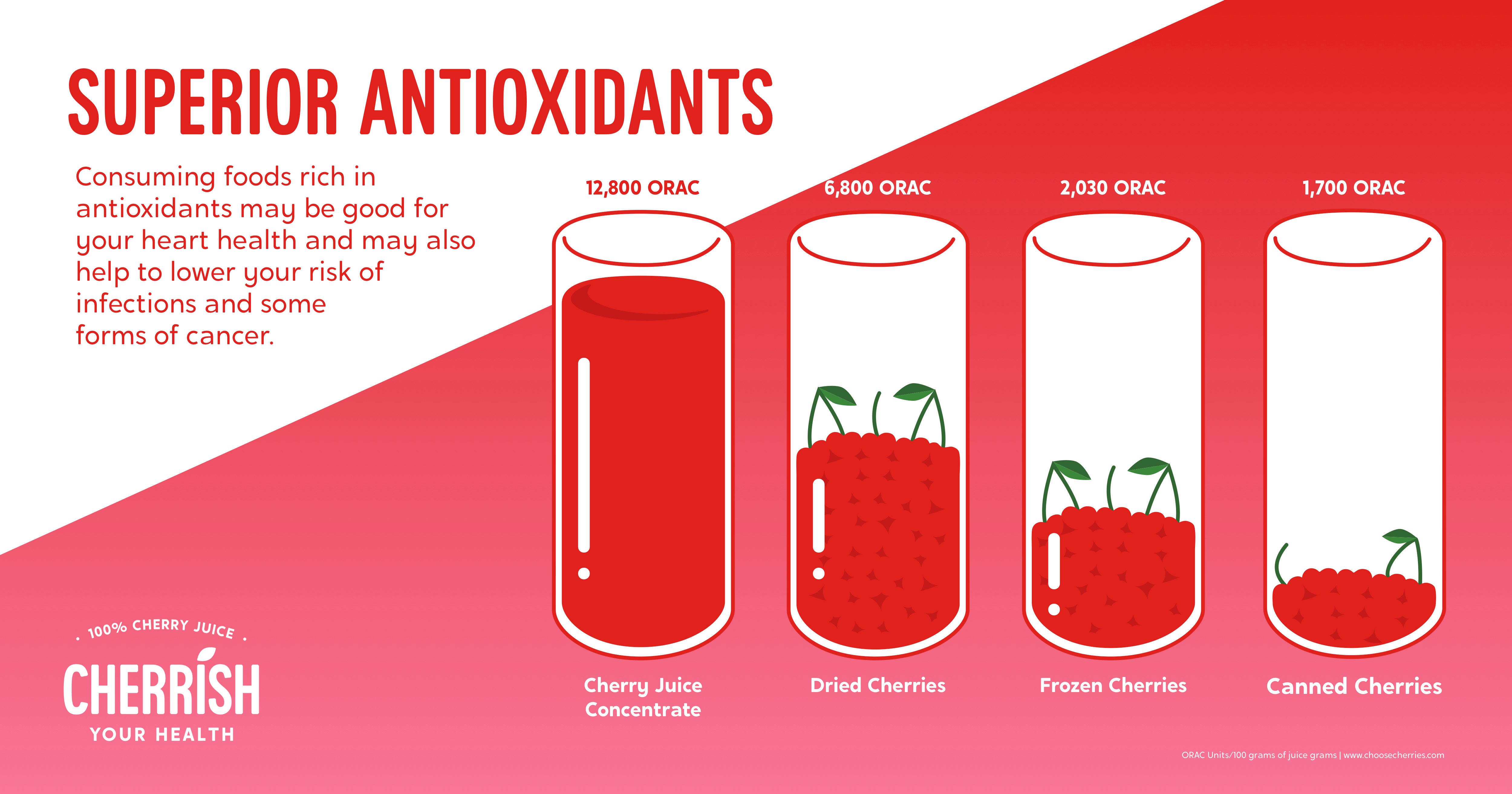
Credit: cherrish.com
Frequently Asked Questions
How Much Do You Drink A Day When Juicing?
Drink 16-32 ounces of fresh juice daily. Spread it throughout the day for optimal benefits. Ensure you stay hydrated.
What Is The 80/20 Rule For Juicing?
The 80/20 rule for juicing suggests using 80% vegetables and 20% fruits. This balances taste and nutrition.
Can Too Much Juicing Be Harmful?
Yes, too much juicing can be harmful. It can lead to high sugar intake and lack of fiber. Moderation is key.
How Much Juice Should You Drink A Day On A Cleanse?
Drink 32-64 ounces of juice daily on a cleanse. Choose fresh, organic juices for best results. Stay hydrated.
Conclusion
Finding the right amount of juice to drink daily is essential for your health. Balance is key. Listen to your body and consult a nutritionist. Enjoy the benefits of juicing without overdoing it. Aim for moderation to maintain a healthy lifestyle.
Happy juicing!

Viola R. Daigle
I'm Viola R. Daigle, a dedicated Internet Marketer. I work with WarriorPlus as a Vendor and Affiliate, and I’m also an Affiliate on JVZoo and Legendary Marketer. My passion is to provide honest and detailed reviews of Internet Marketing (IM) products and software. I love helping people choose the right tools and strategies to grow their online business with confidence.


