
How to Choose a Juicer: Expert Tips for Healthy Living
To choose a juicer, determine your budget and decide between centrifugal, masticating, or citrus juicers. Consider your juicing needs and preferences.
Juicing offers a convenient way to consume nutrients from fruits and vegetables. Selecting the right juicer can enhance your overall juicing experience. Centrifugal juicers are fast and suitable for hard produce but may introduce more oxidation. Masticating juicers operate slowly, preserving nutrients, and work well with leafy greens.
Citrus juicers are specialized for extracting juice from citrus fruits. Assess your kitchen space, the ease of cleaning, and noise levels. Reading reviews and comparing features can help you make an informed decision. Investing in the right juicer can lead to healthier, more delicious homemade juices.
Types Of Juicers
Choosing the right juicer can transform your health journey. There are various types of juicers, each with unique features. Understanding these types can help you make an informed choice.
Centrifugal Juicers
Centrifugal juicers are the most common type. They work by shredding fruits and vegetables with a fast-spinning blade. The juice is then separated from the pulp through a strainer. These juicers are typically fast and easy to use. They are perfect for people who need a quick juice fix.
- High-speed operation
- Easy to clean
- Affordable
- Best for hard fruits and vegetables
Masticating Juicers
Masticating juicers, also known as slow juicers, use an auger to crush produce. They work at a slower speed compared to centrifugal juicers. This slow process helps retain more nutrients and enzymes. These juicers are ideal for leafy greens and wheatgrass.
- Retains more nutrients
- Quiet operation
- Versatile
- Best for leafy greens
Triturating Juicers
Triturating juicers are also called twin-gear juicers. They use two gears to crush and press the produce. This results in a high yield of juice with maximum nutrition. These juicers are perfect for serious juice enthusiasts.
- High juice yield
- Preserves nutrients
- Can handle a variety of produce
- Best for hard and soft produce
Citrus Juicers
Citrus juicers are specialized for citrus fruits like oranges, lemons, and limes. They come in manual and electric models. These juicers are simple to use and clean. They are the best choice for making fresh citrus juice.
- Easy to use
- Quick cleaning
- Specialized for citrus fruits
- Available in manual and electric models

Credit: kriscarr.com
Key Features To Consider
Choosing the right juicer can be overwhelming. It's essential to focus on specific features that align with your needs. Below, we discuss some crucial aspects to keep in mind.
Motor Power
The motor power of a juicer determines its efficiency. Look for a juicer with at least 400 watts of power. This ensures it can handle hard fruits and vegetables. A higher wattage motor will also last longer. Some juicers even come with variable speed settings. This feature allows you to adjust the power based on the produce.
Ease Of Cleaning
Cleaning your juicer should be hassle-free. Check if the parts are dishwasher-safe. Juicers with fewer parts are easier to clean. Look for models with a quick-clean feature. This allows you to rinse the machine between uses. Some juicers come with a cleaning brush. This makes it easier to clean hard-to-reach areas.
Juice Yield
The juice yield is a critical factor. High-yield juicers extract more juice from the same amount of produce. Look for juicers with a high efficiency rating. This ensures you get the most out of your fruits and vegetables. Masticating juicers generally have a higher juice yield compared to centrifugal ones.
Noise Levels
Noise levels can be a deal-breaker for many. Juicers with powerful motors often make more noise. Look for models that advertise quiet operation. Masticating juicers are typically quieter than centrifugal ones. Consider the noise level if you plan to juice early in the morning or late at night.
| Feature | Considerations |
|---|---|
| Motor Power | At least 400 watts, variable speed settings |
| Ease of Cleaning | Dishwasher-safe, quick-clean feature |
| Juice Yield | High efficiency rating |
| Noise Levels | Quiet operation |
Budget Considerations
Choosing a juicer involves understanding your budget. Juicers come in various price ranges. This section will guide you through affordable, mid-range, and high-end options. Each category offers different features and benefits. Let’s explore the best choices for your budget.
Affordable Options
Affordable juicers are perfect for beginners. They cost less than $100. These juicers are easy to use and maintain. Here are some common features:
- Simple design
- Easy to clean
- Basic functions
Affordable juicers may lack advanced features. They are great for simple juicing needs.
Mid-range Choices
Mid-range juicers offer more features. They usually cost between $100 and $300. These juicers have better build quality. Here are some benefits:
- More powerful motors
- Better juice yield
- Extra attachments
Mid-range juicers are ideal for regular use. They balance cost and functionality.
High-end Models
High-end juicers are the best in class. They cost more than $300. These juicers offer superior performance and durability. Key features include:
- Advanced technology
- Higher juice yield
- Quieter operation
High-end juicers are perfect for serious juicing enthusiasts. They provide the best experience and results.
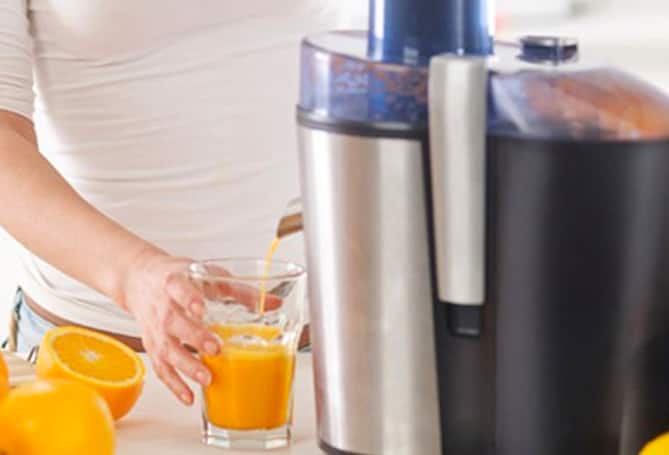
Credit: www.bestbuy.com
Material And Durability
Choosing the right juicer involves examining its material and durability. The materials used can affect the juicer’s lifespan and performance. Durability ensures your juicer withstands daily wear and tear. Let's explore the different materials and their impact on longevity.
Plastic Vs. Metal
Plastic juicers are lightweight and usually less expensive. They are easy to handle but may not be as durable. Some plastics can crack or break under pressure.
Metal juicers are often more durable. They can handle more intensive use. Metal parts resist breaking and are usually more robust. But, they are heavier and typically cost more.
| Material | Pros | Cons |
|---|---|---|
| Plastic |
|
|
| Metal |
|
|
Longevity Of Components
The longevity of components is crucial. Look for juicers with high-quality parts. Stainless steel blades last longer. Strong motors ensure consistent performance.
Check for the quality of seals and gaskets. These parts can wear out quickly. Durable components mean fewer replacements and repairs.
Warranty And Support
A good warranty indicates a reliable product. Check the length and coverage of the warranty. Some brands offer longer warranties on certain parts.
Support services are also important. Look for brands with good customer support. Easy access to replacement parts can extend your juicer’s life.
User-friendliness
Choosing the right juicer can be challenging. User-friendliness plays a key role in your decision. A user-friendly juicer saves time and effort. It makes juicing a pleasant experience.
Ease Of Assembly
Juicers come with multiple parts. Easy assembly is crucial for daily use. Look for juicers with clear instructions. Check if the parts fit together smoothly. A few clicks should do the job. Avoid complex mechanisms. They can be frustrating and time-consuming.
Intuitive Controls
Intuitive controls make juicing simple. Look for a juicer with clear buttons or knobs. Labels should be easy to read. The controls should be straightforward. No one likes confusing menus. A good juicer offers a seamless experience.
Portability
Portability matters if you move your juicer often. A lightweight juicer is easy to carry. Consider the size too. It should fit in your kitchen space. Some juicers come with handles. These make moving them easier. Compact designs are also a plus. They save counter space and are easy to store.

Credit: www.wikihow.life
Health Benefits
Choosing the right juicer offers many health benefits. Fresh juice is a great way to get essential vitamins and minerals. This section will cover nutrient retention, freshness and quality, and special diets.
Nutrient Retention
Juicing keeps most nutrients in fruits and veggies. Cold press juicers are best for this. They don't heat up, so vitamins stay intact.
Centrifugal juicers are faster but may lose some nutrients. They use fast spinning blades that create heat. Cold press juicers are slower but keep more nutrients.
Freshness And Quality
Fresh juice tastes better and is healthier. Cold press juicers keep juice fresh longer. You can store this juice for up to 72 hours.
Fresh juice from centrifugal juicers should be drunk quickly. It can lose nutrients and flavor fast. Always choose a juicer that keeps your juice fresh.
Special Diets
Juicing fits into many special diets. For example, people on a vegan diet need fresh nutrients. Juicers help them get these nutrients quickly.
Paleo diets also benefit from fresh juice. It helps meet the diet's high fruit and veggie needs. Gluten-free diets can use juicers for fresh, gluten-free drinks.
| Juicer Type | Best For |
|---|---|
| Cold Press Juicers | High Nutrient Retention |
| Centrifugal Juicers | Quick Juicing |
Brand Reputation
Choosing a juicer can be tricky. One important factor is Brand Reputation. A reputable brand means quality and reliability. Good brands last longer and work better.
Top Brands
Some brands are known for their great juicers. These brands have been around for a long time. They make strong and reliable juicers. Here are some top brands:
- Breville: Known for its powerful motors and sleek designs.
- Omega: Famous for its long-lasting and versatile juicers.
- Hurom: Popular for its slow juicers that preserve nutrients.
- Kuvings: Loved for its wide chute and easy cleaning.
Customer Reviews
Customer reviews are important. They tell you what real people think. Look for reviews on trusted websites. Here are some things to check:
- Performance: Does the juicer work well?
- Durability: Does it last long?
- Ease of Use: Is it easy to use and clean?
- Customer Service: How does the brand handle issues?
Expert Recommendations
Experts test many juicers. They know which ones work best. Here are some expert tips:
- Motor Power: A strong motor juices faster.
- Speed Settings: Multiple speeds are good for different fruits.
- Build Quality: Strong materials last longer.
- Warranty: A long warranty is a good sign.
Experts often recommend brands like Breville, Omega, and Hurom. These brands are known for quality and performance. Trusting experts can help you choose the best juicer.
Additional Accessories
Choosing the right juicer involves more than just the machine itself. Additional accessories can enhance your juicing experience. These tools can make the process easier and more enjoyable. Here, we will discuss the most useful accessories.
Pulp Containers
A pulp container is an essential accessory for any juicer. It collects the leftover pulp while you juice. Some juicers come with built-in containers. Others may require a separate purchase. A good pulp container should be easy to remove and clean. Look for one that is dishwasher-safe.
| Feature | Benefit |
|---|---|
| Removable | Easy to clean |
| Large Capacity | Less frequent emptying |
| Dishwasher-safe | Convenient cleaning |
Cleaning Brushes
Keeping your juicer clean is crucial for its longevity. Cleaning brushes can help with this task. They are designed to reach small crevices and clean out pulp. Some juicers come with their own brushes. If not, you can buy them separately. Look for brushes with soft bristles to avoid scratching your juicer.
- Soft bristles prevent scratches.
- Designed for hard-to-reach areas.
- Easy to use and store.
Recipe Books
New to juicing? A recipe book can provide inspiration and guidance. Many juicers come with a recipe book included. They offer ideas for delicious and healthy juices. Experiment with different fruits and vegetables. Discover new combinations you might love.
- Start with simple recipes.
- Gradually try more complex juices.
- Use the book as a guide for nutritional benefits.
Choosing the right accessories can make a big difference. They can simplify the juicing process and enhance your experience. Enjoy your journey to healthier living!
Frequently Asked Questions
How To Pick Out A Juicer?
Choose a juicer by considering its type, ease of cleaning, motor power, noise level, and warranty. Prioritize your needs.
What Type Of Juicer Is Healthiest?
The healthiest type of juicer is a masticating juicer. It preserves more nutrients and enzymes due to its slow extraction process.
Which Juicer Is Better, Centrifugal Or Masticating?
Masticating juicers are better for nutrient retention and juice quality. Centrifugal juicers are faster and more affordable. Choose based on your priorities.
How Much Should I Spend On A Juicer?
Expect to spend between $50 to $300 on a juicer. Budget models start at $50, while high-end options reach $300.
Conclusion
Choosing the right juicer enhances your health journey and ensures you get the most nutrients. Consider your needs, budget, and juicer types before purchasing. Research and read reviews to make an informed decision. A well-chosen juicer can be a valuable addition to your kitchen, promoting a healthier lifestyle.

Viola R. Daigle
I'm Viola R. Daigle, a dedicated Internet Marketer. I work with WarriorPlus as a Vendor and Affiliate, and I’m also an Affiliate on JVZoo and Legendary Marketer. My passion is to provide honest and detailed reviews of Internet Marketing (IM) products and software. I love helping people choose the right tools and strategies to grow their online business with confidence.


