
Can Juicing Replace Meals: The Ultimate Nutrition Guide
Juicing cannot completely replace meals. It lacks essential nutrients like protein, fiber, and healthy fats needed for a balanced diet.
Juicing has gained popularity for its health benefits and convenience. Many people use it to increase their intake of fruits and vegetables. While juices provide vitamins and antioxidants, they miss out on key nutrients. Whole foods offer fiber, protein, and healthy fats crucial for sustaining energy and overall health.
Solely relying on juice can lead to nutrient deficiencies and imbalanced diets. A balanced approach includes incorporating juices as a supplement to a well-rounded diet. This ensures you get the benefits of juicing without sacrificing essential nutrients. Always consult a healthcare professional before making significant dietary changes.

Credit: food.ndtv.com
Introduction To Juicing
Juicing involves extracting the liquid from fresh fruits and vegetables. This liquid contains most of the vitamins, minerals, and antioxidants found in the whole fruit or vegetable.
People drink juice for different reasons. Some want to detoxify their bodies. Others enjoy the refreshing taste. But can juicing replace meals? Let’s explore.
History Of Juicing
Juicing dates back thousands of years. Ancient civilizations valued fresh juice for its health benefits.
| Time Period | Region | Significance |
|---|---|---|
| 1500 B.C. | Egypt | Used for medicinal purposes |
| 1st Century A.D. | Rome | Referenced in ancient texts |
Modern juicing began in the early 20th century. Norman Walker invented the first juicing machine in 1936. He believed in the power of fresh juice for health.
Popularity In Modern Diets
Today, juicing is a popular trend. Many people include it in their daily diets.
- Weight Loss: Some use juicing to lose weight.
- Detox: Juices help remove toxins from the body.
- Nutrition: Juices provide essential vitamins and minerals.
Juice bars have opened in cities worldwide. Supermarkets sell pre-packaged fresh juices. Social media influencers promote juicing as a healthy lifestyle choice.
Nutritional Value Of Juices
Juicing has become a popular trend for those seeking a healthier lifestyle. But can juicing truly replace meals? Let's explore the nutritional value of juices to understand their role in a balanced diet.
Vitamins And Minerals
Juices are packed with essential vitamins and minerals that are crucial for our body. They provide:
- Vitamin C which boosts the immune system.
- Vitamin A which improves vision and skin health.
- Potassium which helps regulate blood pressure.
- Magnesium which supports muscle and nerve function.
These nutrients are vital for overall health. Freshly squeezed juices often retain more vitamins and minerals than store-bought ones.
Caloric Content
The caloric content of juices can vary greatly. It depends on the fruits and vegetables used. Here's a table showing the approximate caloric content of common juices:
| Juice Type | Calories (per 8 oz) |
|---|---|
| Orange Juice | 112 |
| Apple Juice | 120 |
| Carrot Juice | 95 |
| Green Juice | 60 |
Juices can be high in calories and sugar, especially fruit juices. It's important to balance them with other food intake.
Vegetable juices often have fewer calories and sugars, making them a healthier choice. Always check the label for added sugars in store-bought juices.
Benefits Of Juicing
Juicing can be a wonderful addition to your diet. It provides many health benefits. Fresh juices are rich in vitamins and minerals. They offer a quick and easy way to get nutrients.
Detoxification
Juicing helps in detoxifying the body. Fresh juices flush out toxins. They cleanse the liver and kidneys. This can lead to better overall health.
| Fruit/Vegetable | Detox Benefit |
|---|---|
| Beetroot | Cleanses the liver |
| Carrot | Improves kidney function |
| Apple | Removes heavy metals |
Improved Digestion
Juicing aids in digestion. Fresh juices have enzymes that break down food. This makes it easier for the body to absorb nutrients.
- Ginger juice reduces bloating.
- Pineapple juice contains bromelain, which breaks down proteins.
- Mint juice soothes the stomach.
- Drink juice before meals to boost digestion.
- Include fiber-rich fruits like apples.
- Use a mix of vegetables and fruits.
Start juicing today for a healthier life. Fresh juices can make a big difference in how you feel.

Credit: www.pinterest.com
Potential Drawbacks
Juicing can seem like a quick fix for a healthy diet. But it has potential drawbacks. These drawbacks can impact your health in various ways.
Nutrient Deficiencies
Juicing often removes the fiber from fruits and vegetables. Fiber is vital for digestion and satiety. Without fiber, you may feel hungry sooner. Juices also lack certain essential nutrients. For example, they may have fewer protein and healthy fats. These nutrients are crucial for energy and muscle health. A diet only based on juices can lead to deficiencies.
Blood Sugar Spikes
Juices contain high amounts of natural sugars. These sugars can cause blood sugar spikes. Blood sugar spikes are harmful to your health. They can lead to energy crashes and mood swings. Over time, they may increase the risk of diabetes. It is better to eat whole fruits and vegetables. Whole foods help maintain stable blood sugar levels.
In summary, while juicing has benefits, it can also have drawbacks. Nutrient deficiencies and blood sugar spikes are significant concerns. Always aim for a balanced diet for optimal health.
Juicing Vs. Whole Foods
Juicing has become a popular trend for many health enthusiasts. But can it really replace meals? To answer this, we need to compare juicing with whole foods. The battle between juicing and whole foods boils down to essential factors such as fiber content and satiety levels.
Fiber Content
Whole foods are rich in fiber. Fiber is crucial for digestion. It helps keep our digestive tract healthy. Whole fruits and vegetables provide both soluble and insoluble fiber. This combination is essential for a balanced diet.
In contrast, juicing removes much of the fiber. During the juicing process, the pulp, which contains the fiber, is discarded. This means you miss out on the fiber benefits. Without fiber, your body digests juice faster, leading to quick sugar spikes.
| Nutrient | Whole Foods | Juice |
|---|---|---|
| Fiber | High | Low |
| Digestion Time | Slower | Faster |
Satiety Levels
Whole foods help you feel full longer. They are packed with fiber and nutrients. When you eat whole foods, you chew and digest them slowly. This process helps your brain signal that you are full.
Juice, on the other hand, does not make you feel full for long. Drinking juice is quick. It does not involve much chewing. Without fiber, your body processes it quickly. This can leave you feeling hungry soon after.
- Whole foods keep you full longer.
- Juice can leave you feeling hungry.
For a balanced diet, consider incorporating both. Whole foods provide the necessary fiber and nutrients. Juicing can supplement your diet but should not replace meals.
Incorporating Juicing Into Meals
Juicing can be a healthy addition to your meals. It provides essential vitamins and minerals. But can it replace meals entirely? It is important to understand how to incorporate juicing into a balanced diet.
Balanced Diet Tips
A balanced diet includes various nutrients. Here are some tips to ensure a healthy balance:
- Protein: Include lean meats, beans, or tofu in your meals.
- Carbohydrates: Opt for whole grains like brown rice or quinoa.
- Fats: Use healthy fats such as olive oil and nuts.
- Vegetables: Add a variety of colorful vegetables.
- Fruits: Include fruits in your juicing recipes.
Sample Meal Plans
Here are some sample meal plans that incorporate juicing:
| Meal | Food | Juice |
|---|---|---|
| Breakfast | Oatmeal with berries | Green juice (kale, spinach, apple) |
| Lunch | Grilled chicken salad | Carrot and ginger juice |
| Dinner | Quinoa and vegetable stir-fry | Beet and orange juice |
These meal plans ensure a variety of nutrients. Juicing can complement your meals. It should not replace them entirely.
Expert Opinions
Can juicing replace meals? Experts have varied opinions. Let's see what they say.
Nutritionists' Views
Nutritionists often emphasize balanced diets. They believe whole foods are essential. Juices lack important fibers. Fiber helps digestion and keeps you full longer. Without fiber, you may feel hungry sooner. Nutritionists advise including solid foods for a balanced diet.
Dietitians' Advice
Dietitians provide similar advice. They stress on the importance of protein. Juices often miss out on protein. Protein is necessary for muscle health. Lack of protein can lead to muscle loss. Dietitians also caution about high sugar in juices. High sugar can affect blood sugar levels. A mix of juice and solid meals is recommended.
| Expert | Opinion |
|---|---|
| Nutritionists | Whole foods are crucial; juices lack fiber. |
| Dietitians | Protein is essential; juices often have high sugar. |
In summary, experts advise caution with juicing. Combining juices with solid meals is best.
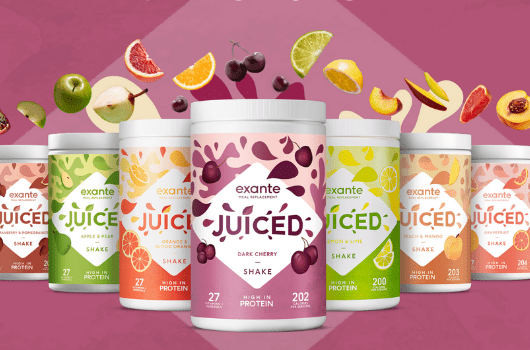
Credit: www.exantediet.com
Frequently Asked Questions
Is It Ok To Replace A Meal With A Juice?
It's not ideal to replace a meal with juice. Juices lack essential nutrients like protein and fiber. A balanced diet is important for overall health.
Does Juicing Count As A Meal?
Juicing alone usually doesn't count as a meal. It lacks protein, fat, and fiber. For a balanced meal, combine juice with other nutrients.
Can I Eat One Meal A Day While Juicing?
Yes, you can eat one meal a day while juicing. Ensure the meal is nutrient-dense and balanced.
Is Juicing Just As Good As Eating?
Juicing can provide nutrients but lacks fiber compared to whole fruits and vegetables. Eating whole foods is generally healthier.
Conclusion
Juicing can be a healthy addition to your diet, but it shouldn't replace meals. Whole foods provide essential nutrients and fiber that juices lack. Balance is key for optimal health. Incorporate juices as part of a varied diet to enjoy their benefits.
Always consult a healthcare professional before making significant dietary changes.

Viola R. Daigle
I'm Viola R. Daigle, a dedicated Internet Marketer. I work with WarriorPlus as a Vendor and Affiliate, and I’m also an Affiliate on JVZoo and Legendary Marketer. My passion is to provide honest and detailed reviews of Internet Marketing (IM) products and software. I love helping people choose the right tools and strategies to grow their online business with confidence.


